
In the ever-evolving world of animation, the art of dubbing has moved beyond simply replacing original language dialogues with translated speech. Today, it’s about delivering a dubbed version that feels just as authentic, emotionally charged, and technically flawless as the original. One of the most critical components in this process is lip-sync dubbing—the ability to match the spoken word with the animated character’s mouth movements with such precision that the viewer remains immersed in the experience.
Whether you’re dubbing cartoons, anime, animated series, or movie trailers, achieving perfect lip-sync in animation dubbing requires a blend of linguistic skill, audio engineering, and talented voice actors who can breathe life into animated characters. In this technical deep dive, we explore the tools, techniques, and creative nuances that make lip-sync dubbing in animation a true craft—and how it impacts everything from children’s animation to blockbuster animated films.
Why Lip-Sync Dubbing Matters in Animation
Animation dubbing isn’t merely about translating dialogue; it’s about preserving the performance, timing, and emotional rhythm of the original voice actors while adapting the content for a different target audience. Since animated characters don’t have the benefit of real human lips or facial micro expressions, every spoken word must be flawlessly timed with exaggerated mouth movements, gestures, and screen actions.
A poorly synced audio track can pull audiences out of the story, reducing their emotional engagement and trust in the content. This is especially important in children’s animation, where young viewers are sensitive to visual and audio mismatches. A well-executed lip-sync not only enhances the voice acting but also ensures the voice for cartoons feels native to the viewer—regardless of their language.
Step-by-Step Breakdown: Lip-Sync Dubbing in Animation
Let’s walk through the dubbing process and see how studios handle the intricate task of lip-syncing animated video content.
1. Script Translation & Adaptation
The first step is translating the original script into the target language. However, a direct translation is rarely effective. That’s where dialogue writers come in—they adapt the dialogue to retain the original meaning while ensuring syllables, timing, and pacing match the lip movements of the animated characters.
These adaptations often include:
- Replacing or restructuring foreign words
- Adjusting sentence length and rhythm
- Preserving cultural nuance
- Adding local expressions to reflect audience preferences
For instance, dubbing animation for German, Japanese, or French-speaking markets may involve rephrasing lines to fit the character’s mouth movements without sacrificing humor or tone.
2. Casting the Right Voice Actors
Once the adapted script is ready, it’s time to select the right voice actors. In animation, this step is particularly crucial. Unlike live-action dubbing, there’s more room for vocal creativity. The voice of cartoons must match not just the timing but also the tone, age, personality, and style of the animated character.
In many cases, one actor might voice multiple characters in the same production, requiring versatility and an understanding of emotional delivery. Whether it’s a heroic lead, a mischievous sidekick, or a magical creature, the animation voices must feel real and emotionally resonant.
3. Voice Acting and Performance
With the script and cast in place, the voice acting begins. This stage goes beyond reading lines—it’s about capturing the soul of the character. The actors’ voices must reflect emotion, pacing, intention, and interaction with other characters. Timing is critical; even a one-second mismatch can disrupt the flow and ruin the viewer’s immersion.
Great animation voice actors focus on:
- Matching breaths and pauses to the animation
- Capturing dramatic tension and humor
- Reflecting mood shifts and scene transitions
- Aligning closely with visual cues and sound effects
This is where the magic happens—turning flat lines into living, breathing performances.
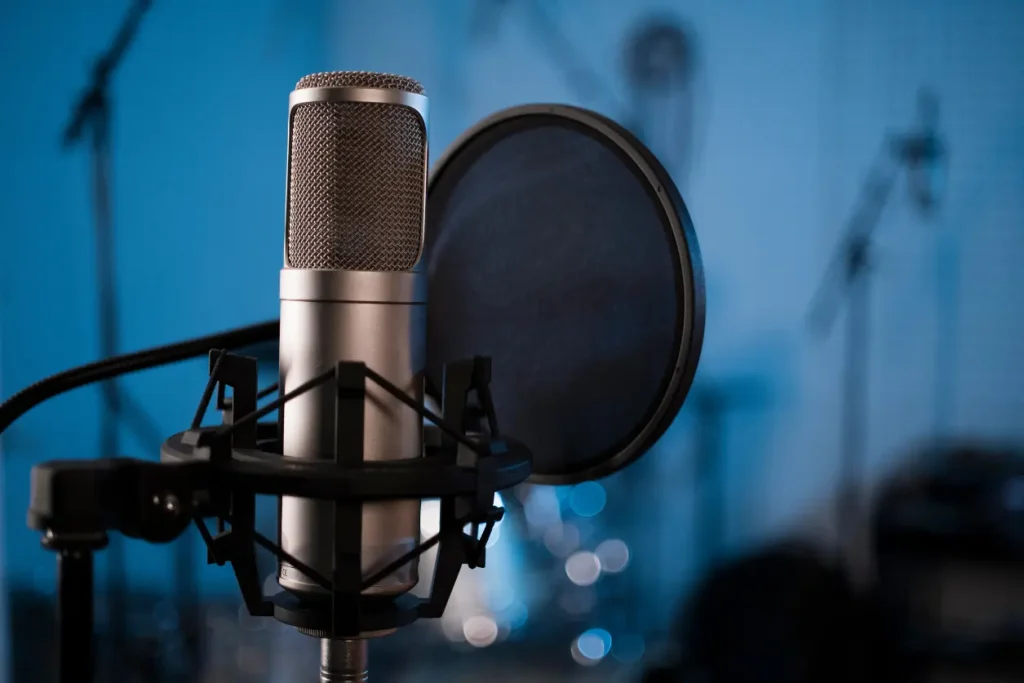
4. Recording with High-Quality Equipment
To ensure crystal-clear audio, studios use high quality equipment and acoustically treated spaces. Recording engineers oversee the audio file capture process, ensuring consistent tone, eliminating noise, and managing the emotional continuity of each line.
In many cases, post-production begins right after recording, allowing teams to instantly evaluate the sync and suggest retakes if necessary.
5. Lip-Sync Editing and Audio Alignment
Once the performance is recorded, editors step in to align the audio with the animated film or TV series. This is one of the most technical parts of the process, often requiring frame-by-frame attention using specialized software tools.
Professionals adjust:
- The timing of each syllable
- Audio speed and pitch if required
- Pauses and breathing to align with mouth flaps
- Integration of sound effects and original soundtrack
This meticulous editing ensures that viewers hear the dialogue in perfect sync with what they see on screen.
Unique Challenges in Dubbing Animated Content
Matching Non-Human Characters
Characters in animation often include robots, animals, or fantasy creatures, each with unique speaking styles. Finding the right animation voice to match these characters while maintaining lip-sync is both an art and a science.
Handling Fast-Paced Dialogues
Some animated movies or anime series feature rapid speech and emotional highs. Editors must creatively adjust timing or rework phrases to keep the audio track aligned with the visuals.
Retaining Original Intent
The challenge is to completely replace the spoken audio while retaining the emotional and cultural context of the original version. This is especially complex in dubbed content with regional jokes, idioms, or deep cultural themes.
Tools and Techniques Used in Lip-Sync Dubbing
Professionals use a mix of tools and creative techniques to execute lip-sync dubbing effectively:
- Waveform editing tools for precise audio slicing
- Time-stretching algorithms to fit speech without distortion
- Online video editors for preview and sync testing
- AI-based syncing tools for faster alignment in post
- Specialized animation software that shows lip flaps and movement guides
All of this ensures the final dubbed version is tight, expressive, and indistinguishable from the original—only in a new language.
Real-World Examples: Iconic Animated Dubbing
Consider globally dubbed films like Toy Story, Finding Nemo, or Frozen. These animated films are dubbed into dozens of languages, each featuring voice actors who maintain the charm, tone, and emotional gravity of the original. In some markets, local celebrities lend their voices to characters to further enhance connection with the target audience.
The result? Viewers across continents feel like the film was made just for them.
DUBnSUB: Your Partner for Voice Over & Animation Dubbing
At DUBnSUB, we understand what it takes to deliver perfect lip-sync in animation dubbing. From cartoons to anime, animated series, movie trailers, and even video games, our team handles the entire dubbing process with precision and creativity.
Why Choose DUBnSUB?
- Global Network of Voice Actors: We work with talented voice actors across multiple languages and styles to find the perfect animation voices for your characters.
- Advanced Technology Stack: We use cutting-edge tools and high quality equipment for frame-accurate sync, crisp recordings, and top-tier audio.
- End-to-End Services: From script adaptation and casting to post-production and final mastering—we take care of it all.
- Experience Across Genres: Be it children’s animation, TV series, movie trailers, or dubbed cartoons, we deliver high-quality localized content tailored for your target audience.
Whether you’re creating content for a global audience or looking to expand your animated video library into new regions, DUBnSUB ensures your voice connects across cultures.
Let’s give your animated characters the voice they deserve.
Contact DUBnSUB today for high-quality animation dubbing and voice-over solutions.